
 |
||||||||||||||||||||||||||||||||||||
 |
|
|
||||||||||||||||||||||||||||||||||
|
In this issue
Latest Feed Info 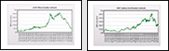
Prices: Currencies have dominated grain and oilseed markets over the last week with worries over the debt crisis spreading across the EU and political uncertainty in the UK the main issues. In the UK, an uncertain week of trading led to nearby LIFFE wheat rising £2 on the week to £105.75/t. However, new-crop November prices remained unchanged at £107.75/t. FEMAS soyameal, ex-mill Liverpool, was quoted at £322/t for May delivery and £292/t for June. Grains: Fundamental supply and demand information has been relatively scarce over the past week as markets await the key publication of the USDA’s first supply and demand estimates for the 2010/11 season. Soyameal: A record soyabean crop in Brazil of 68Mt is being supplied onto the world market with the added help of currencies. The Brazilian Real has been weakening against the US dollar over recent days making Brazilian exports of soyabeans cheaper on the world market compared to US origin soyabeans. The Brazilian crop will need to remain competitive against the US crop, as estimates for planted area for harvest 2010 in the US put the soyabean area at 31.77Mha, and area which is 1% above the previous year’s which produced a record 91Mt crop. For the latest feed information, click here. 
Latest Link Updates ZNCPig Scheme
Contact Details Call: 02476 692051 Email: [email protected] Web: www.bpex.org.uk Other BPEX Sites www.pigsareworthit.com |
BPEX Weekly: May 21 2010 Two Tonne SowThe aim of the Two Tonne Sow (2TS) programme is to help English producers achieve an industry average of 2,000kg of pig meat per sow per year by 2012. Gilt management is the first area of focus and the BPEX Knowledge Transfer team is working with producers this summer to pinpoint ways to improve gilt performance. Prioritise ProteinA common perception is that gilts need a minimum of 14 mm of back fat at first farrowing and that back fat is the most important factor for sow longevity. This was strongly challenged by Prof. Paul Hughes, South Australia Research and Development Institute at BPEX workshops. He said that protein mass is more important than back fat in gilts for lifetime performance. Recent research supports this view. Why are we still so focused on back fat in gilts during rearing and the first pregnancy? Prof. Hughes pointed out that over the last 10-20 years selection has produced a very different pig, which:
He said often:
It is becoming more apparent that the relationship between body fat level and the sow’s lifetime productivity is very poor, as shown in Canadian studies. This may reflect the fact that the majority of tissue mobilisation in young lactating sows is protein not fat. To download the full article click here.
2TS Tip of the WeekSetting up and following an effective heat detection and service plan for your farm will help to detect the signs of heat accurately and schedule insemination at the optimum time. This is essential for optimising breeding performance and achieving the best results; review and adjust periodically. Develop an effective routine that is based on current best practice and information recorded on your farm, making allowances for variation. For further advice on this see Action for Productivity 31.
Interactive LibraryWith the launch of the Two Tonne Sow (2TS) campaign BPEX has categorised all of the Action for Productivity factsheets so they fit into the six pillars of activity. You can view the re-designed sheets, as well as four new additions to the series, in the interactive library here.
Marketing News
Farms Olympic BoostMcDonalds plan to use its London 2012 sponsorship to raise awareness of British produce along with shifting the negative perceptions of fast food. It will feature British farms on its TV advertising, ahead of the games and aims to promote the farms best practice in standards and welfare. Also, there are plans to have an open gates scheme to some of their farms to show the transparency in their sourcing policy. For further information about this initiative click here. Back to Top
|
|||||||||||||||||||||||||||||||||||

 There were 13 countries each represented by one young butcher.
 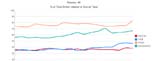 survey.


Abattoir |
Date |
Tulip Ashton |
Wednesday 2 June |
Woodhead Brothers Spalding |
Wednesday 2 June |
Cheale |
Friday 4 June |
Vion Wiveliscombe |
Friday 4 June |
Cranswick Norfolk |
Monday 7 June |
Vion Malton |
Monday 7 June |
Tulip Westerleigh |
Monday 7 June |
H G Blake |
Monday 7 June |
Ensors |
Monday 7 June |
G Wood and Sons Ltd |
Monday 7 June |
Cranswick Hull |
Tuesday 8 June |
Tulip Spalding |
Tuesday 8 June |
Tulip Ashton |
Thursday 10 June |
Woodhead Brothers Spalding |
Thursday 10 June |
F A Gill |
Friday 11 June |
Woodhead Bros Colne |
Friday 11 June |
Assessment dates for January to June 2010 in all participating abattoirs have been published and are available on the BPEX website.
Back to Top
New Defra Head
Caroline Spelman MP has been appointed Secretary of State for Environment, Food and Rural Affairs.
Mrs Spelman, MP for Meriden,said: “I am delighted to have been appointed Secretary of State for Environment, Food and Rural Affairs. The department is responsible for many of the things that are vital to our quality of life – the food we eat, the air we breathe and how we manage the land we live on and the seas that surround our shores.
“I will work across government and beyond to respond to the challenges of increasing food production, adapting to climate change, protecting our natural environment and ensuring we live sustainably.”
Back to Top
Cut Red Tape – Spelman
The United Kingdom’s new environment secretary has started to make her presence felt in Brussels, with a warning about the high burden of regulation on Europe’s food producers.
Signalling that red-tape is a threat to jobs in agriculture, Caroline Spelman said any debate on Europe’s agri-food model must be linked to job creation.
The "high burden" of regulation was a specific area for future reform, she told journalists after yesterday’s European Union farm council meeting.
NADIS Latest – Failsafes
For many years it has been a legal requirement in buildings which are dependant upon mechanical ventilation to fit alarm systems which in many cases are supported by failsafe mechanisms – flaps which drop open in the event of power failure. Many problems are seen on farms nowadays related to these failsafe mechanisms:-
- Warping and ill-fitting such that they act as inlets for air under negative pressure situations disturbing the designed air flow and often leading to drafts
- Repeated dropping open due to dirt on or poor alignment of magnetic contacts – leading to chilling and drafts
- Nailing up of flaps that continue to drop open – rather negating their purpose
At a time when producers have once more begun to invest in buildings and building maintenance this is an area for attention.
International News:
Danish Welfare Probe
Danish agriculture minister Henrik Høegh is calling for an investigation into conditions on Denmark’s pig farms after a television documentary revealed up to 25,000 piglets die a day.
The main reason given for the high mortality is that Danish pigs have the world’s largest litters with an average 16 piglets a sow.
Høegh says the mortality rate is unacceptable. After he reviews the findings of the investigation, he will decide what further action to take.
Several political parties and an animal rights organisation are calling for both Høegh and justice minister Brian Mikkelsen to look into whether present conditions on Danish pig farms violate animal welfare laws.
Back to Top
China Takes US Pork
China has given official notice that it is accepting shipments of US pork, a move hailed by the National Pork Producers Council. Pork produced on or after 1 May can now be exported to China.
The Asian nation closed its market to US pork in late April 2009 in the wake of an outbreak in humans of novel H1N1 influenza, which the media misnamed “swine” flu.
In March, the United States and China reached an agreement to reopen the Chinese market to US pork imports, but it took China until now to begin accepting product.
Back to Top
Danish Exports to Japan Up
Exports of pig meat from Denmark to Japan increased by 20% in the first quarter of this year according to the latest Export Report.
Import data from Japan shows Danish sales of fresh and chilled pig meat to Japan increased by 30,010 tons during the first three months of the year compared with 24,995 tons during the first quarter of last year.
At the same time imports of pig meat from the US to Japan fell by 17%. To read the full report, click here.
Back to Top
International Prices
For the latest international prices, click here.
