
 |
||||||||||||||||||||||||||||||||
 |
|
|
||||||||||||||||||||||||||||||
|
In this issue
Latest Feed Info 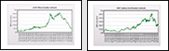
Prices: For more feed information, click here. 
Latest Link Updates ZNCPig Scheme
Contact Details Call: 02476 692051 Email: [email protected] Web: www.bpex.org.uk Other BPEX Sites www.pigsareworthit.com |
BPEX Weekly: January 15 2010 Marketing NewsBacon Connoisseurs Kit
The fourth Bacon Connoisseurs Week (22-28 March 2010) is being supported by a range of in store promotional material designed around the theme of Bring Home the Bacon. It includes posters, recipe leaflets, a window vinyl and special offer campaign paper carrier bags. To order your free kit, download an order form here and be part of the campaign from the start.
Strictly Bacon
Celebrity ballroom dancer launches Bacon Connoisseurs Week. Not strictly just a connoisseur of dance, self-confessed bacon lover and foodie Anton Du Beke will be cha cha chewing his way through a variety of different bacon cures in the search for the nation’s favourite bacon. For more info please click here.
Countryfile Features PigsThis month’s Countryfile magazine featured a six-page article on Saving Our Bacon – covering the misleading labelling issue and how it is affecting British farmers. It concludes with a feature on ‘Know your pig’ cuts and how to read a good from a bad label. This is the topic for an investigative TV documentary into pigs to be featured on BBC1’s Countryfile on 17 Jan with John Craven. For more info click here.
Knowledge TransferTip of the Week: Lactational OestrusMany farms see lactational oestrus from December to April. There is no evidence to state why this should be, but anecdotally units see this issue over winter rather than summer. It may be that the sows are on a high level of nutrition and light levels are improving. There are no practical solutions to this problem but managing the piglets is key to not letting this problem affect your productivity and keeping sows satisfied with correct feeding. If sows come into oestrus in the farrowing paddocks the piglets must be managed to prevent any losses:
For more advice on this topic you can download a factsheet here.
BPHS Assessment DatesAssessment dates for January to June 2010 in all participating abattoirs have been published and are available on the BPEX website
BPHS Web LinksIf you have the BPHS web page as a link in your ‘favourites’ please check that you have the most up to date page bookmarked. You can now access the general BPHS page using the following link www.bpex.org.uk/bphs or if you want to go straight the assessment dates page use the following: http://www.bpex.org.uk/PracticalAdvice/Health/Bphs/AssessmentDays.aspx
NADIS Report: Slap MarksA typical pig carcass is worth £110-120 to the producer. It thus seems very sensible to ensure that you get paid for what you produce. Payment in most cases is based on carcass weight, body fat levels, gender and consignment performance. Furthermore, these are assessed at the end of the slaughter line once the carcass is dressed. The only form of identification of pigs at this stage is the slap mark and it continues to amaze observers how poor these are on many pigs such that reading them becomes a lottery. To ensure you are paid for your own pigs and not someone elses, ensure all pigs are properly slap marked on each shoulder with a clear herd identification using adequate ink. For more advice on slapmarking, click here to download BPEX’s ‘Work Instruction 2: Slapmarking slaughter pigs’. BPEX has also looked at the potential for slap marking piglets to ensure more consistently clear slap marks for the abattoir. To read about the results please click here.
Novel Farm IdeasWe all like to see how other people do things and sometimes you can pick up some useful ideas that you can introduce on your unit to improve productivity, save money or boost staff morale. When one of the BPEX team comes across an activity or idea that is a bit novel, simple to implement, and effective, we like to tell others about it. You can see a whole range of short farm case studies on the BPEX website by clicking here. Some of the topics to date include fox fencing, kennel conversions, Nooyen farrowing crates and iron filtration. What are you waiting for? Have a look now!
Emergency Guidance on SlurryThe Environment Agency has published a position statement to help Environment Agency staff and farmers deal as safely as possible with slurry and waste milk in the current exceptional weather conditions. Advice includes: Land spreading of slurry, including dilute slurry (dirty water) Storage of solid manures Click here for all the advice. National News:Tighter EU Labelling RulesProposed changes to European food labelling rules are welcomed by English pig producers. New research just published by the Food Standards Authority highlights current confusion among consumers over ‘country of origin’ labelling. The new rules will require manufacturers that use the country of origin labels on meat products to indicate where the animal was born, reared and slaughtered – not just where it was processed. BPEX, representing English pig farmers, fully supports the EU legislative proposals which will build on the significant progress already made in the UK pig meat supply chain. A new voluntary code of practice on the labelling of pork and pork products is now being drawn up following agreement by pig producers, processors, major food retailers, and the food service sector.
Red Tractor Review
Assured Food Standards (AFS) has completed a major project to deliver a more joined up approach and clearer labelling to the Red Tractor. The review is designed to make sure there is more consistency across the standards in the Red Tractor ‘family’ and consistency behind the Red Tractor logo that all the sector schemes support. All assured farmers will receive the new manuals together with newsletters by February 2010. These new standards will be effective for farm inspections from April 1 2010. Producers can see any updates that might affect them at the Red Tractor website.
International News:Meat and Climate ChangeThe World Organization for Animal Health (OIE) is to study the impact of meat output on climate change in the light of debate about meat’s contribution to greenhouse emissions, as announced last Thursday. The initiative, which will be the OIE’s first on an environmental issue, follows requests from its member countries to look at a question that has prompted calls to eat less meat. Mr Vallat (President of the OIE) was keen to underline that the world wide demand for meat will increase by 50% by 2020 and that somehow more animals will need to be raised. He also highlighted that they were however options to reduce methane emissions from livestock Experts will meet for the first time in March and the results of their work are due to be published for the summer at the earliest. Meanwhile…… The FAO has published a new report which highlights how properly managed grasslands, even more than forests, could fight climate change by absorbing and storing carbon dioxide. Review of Evidence on Drylands Pastoral Systems and Climate Change includes key messages that livestock are an irreplaceable source of livelihoods for the poor and that livestock play an important role in carbon sequestration through improved pasture and rangeland management. Bacon Strengthens the MemoryScientists at the University of North Carolina demonstrated that the substance Choline which is found both in Bacon and eggs plays an important role in the development of the areas of the embryonic brain, affecting memory. Studies in mice show that the diet pregnant mice get, and especially the content of choline in the diet can alter the epigenetic "switches" that control brain development in the embryonic stage, says Dr. Steven Zeisel, who is one of the researchers behind the study. (Source, videnskab.dk) Plus: Danish IKB pigs? This could come true soon, as the Dutch farm assurance organisation is preparing Danish standards for piglets. To see the full Export Report, click here.
International PricesFor the latest international prices, click here.
|
|||||||||||||||||||||||||||||||
 |
||||||||||||||||||||||||||||||||
